
News & Insights

New RKS300 feature to identify cold spots and anticipate issues in industrial rotary kilns

News & Insights

New RKS300 feature to identify cold spots and anticipate issues in industrial rotary kilns

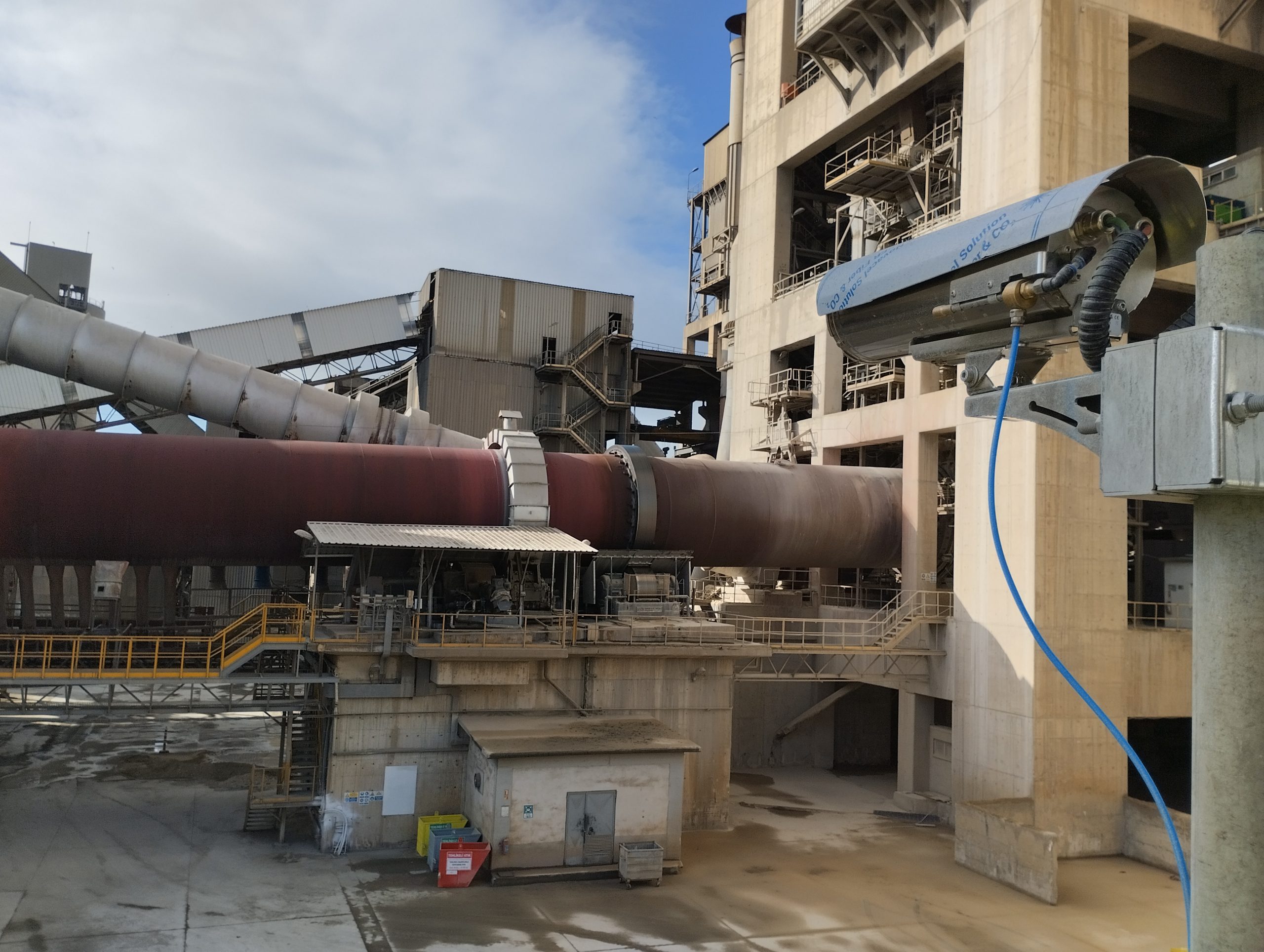
Horno rotativo industrial con sistema de monitorización térmica RKS300 instalado en planta cementera

🔥 Early Detection of Cold Rings in Rotary Kilns: the New RKS300 Feature

In rotary kilns, small thermal changes can be the first sign of major process issues. Detecting them early is key to maintaining stability and avoiding unplanned shutdowns.

That’s why we have introduced a new feature in the RKS300 system: cold spot detection for the early identification of cold ring formation.

🧠 Looking Beyond Hot Spots

Traditionally, thermal monitoring has focused on hot spots. However, many issues begin silently, with areas that are cooler than normal, indicating process instabilities.

With this new functionality, the system:

  • Continuously analyzes the entire kiln surface along its axis
  • Divides the kiln into 1-meter segments
  • Detects the coldest point in each segment in real time

This provides a much more accurate and comprehensive view of the kiln’s overall thermal behavior.
🚨 Detect the Problem Before It Grows

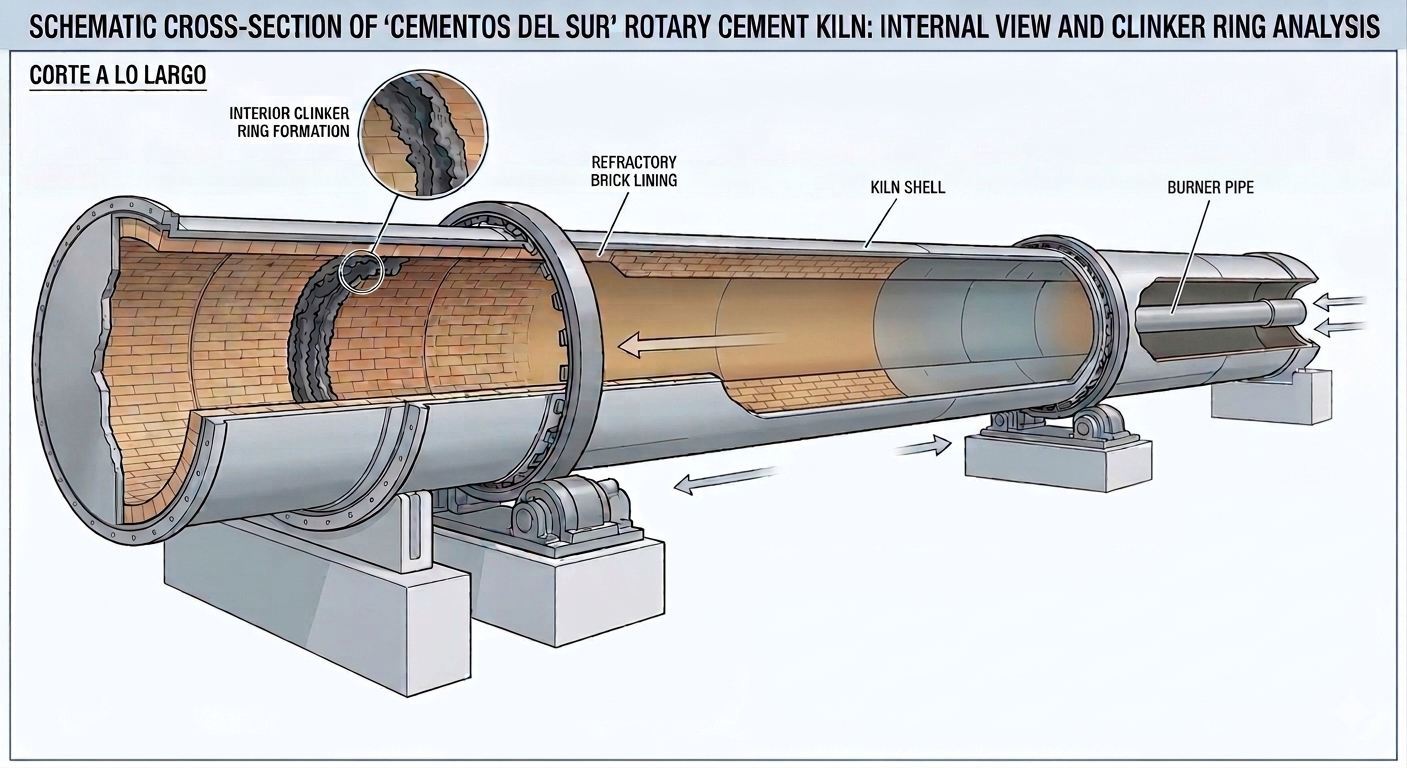
Schematic cross-section of a rotary cement kiln showing internal clinker ring formation and refractory lining

👉 These formations, although not initially visible from the outside, generate changes in the kiln’s thermal behavior that can be detected through advanced temperature analysis.

Cold ring formation is typically related to:

  • Material buildup
  • Instability of the internal lining
  • Variations in combustion
  • Process imbalances

A key point is that the larger and more developed a ring becomes, the more complex and costly it is to remove, both from an operational and maintenance perspective. That’s why early detection is essential.

This functionality makes it possible to identify these initial signals before the ring becomes fully established, enabling faster and more efficient intervention.

⚙️ Integration with the Plant Control System

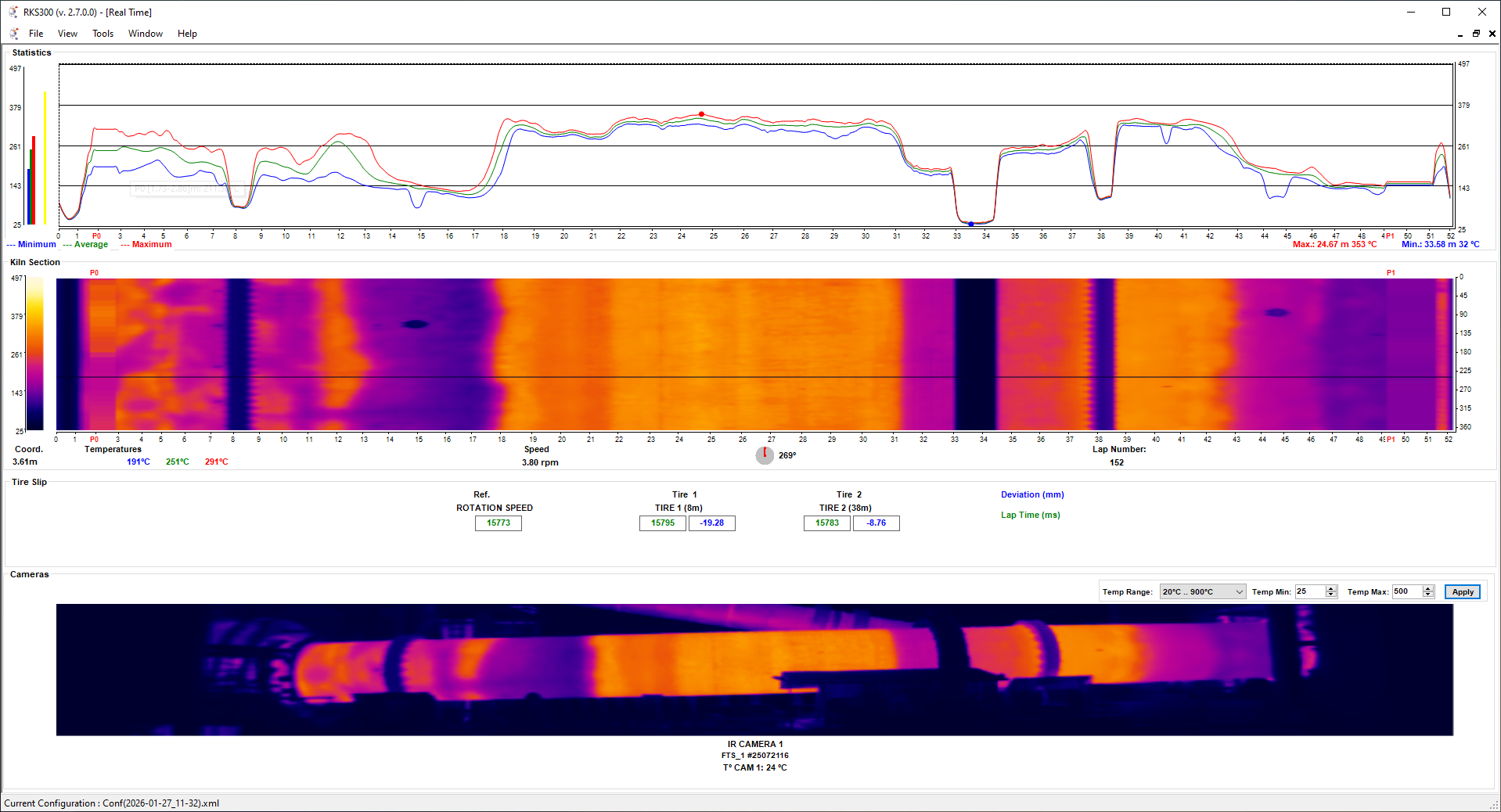
RKS300 software interface showing real-time thermal profile of a rotary kiln with cold spot detection and temperature analysis

In addition, the system can be directly integrated with the plant’s central PLC.

Through OPC communication, cold spot data can be transmitted in real time to the control system, enabling:

  • Direct visualization within the plant control system
  • Automatic alarm generation
  • And, if desired, automated process actions based on the kiln’s thermal behavior

This turns the RKS300 from a monitoring tool into an active component of the process control system.

🔍 From Monitoring to Decision-Making

With this new functionality, the RKS300 helps to:

  • Detect process deviations before they escalate
  • Improve kiln stability
  • Reduce refractory wear
  • Minimize corrective interventions and unplanned shutdowns
🌍 More Visibility, Greater Process Control

The goal is clear: not just to measure temperature, but to turn that data into useful, actionable information for daily operations.

With this update, the RKS300 takes another step toward smarter, more predictive thermal monitoring, fully connected to the plant’s real process.